


EasyOCR2
工業用光學字元辨識函式庫
- 專為辨識短篇文字而優化,例如零件編號、序號、有效期限、製造日期、批次編號等
- 採用創新的分割演算法,根據預期字元大小與文字拓撲結構,自動在影像中定位文字
- 完全支援文字旋轉(360 度)
- 能夠辨識嚴重損毀的字元:支援字元碎裂及光線不均的情況
- 可透過一個或多個 TrueType 字型,或您自有的樣本圖片來建立字元資料庫
- 透過樣本圖片輔助建立字元資料庫
- 字元資料庫管理:新增字元;儲存及載入資料庫
- 採用深度學習技術驅動的預訓練分類器,適用於工業級文字標記字型
說明

區隔
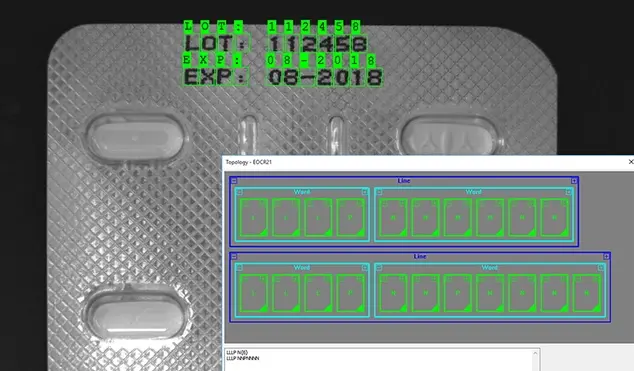
EasyOCR2 採用一種先進且創新的演算法,用以定位圖像中待辨識的文字。使用者可自由設定待偵測文字的拓撲結構(包括行數、單字數及字元數)。
字元類型規格
可以指定每個字元的字元類型(字母、數字、符號等),以提升辨識速度與準確率。
TrueType 字型 (TTF) 檔案
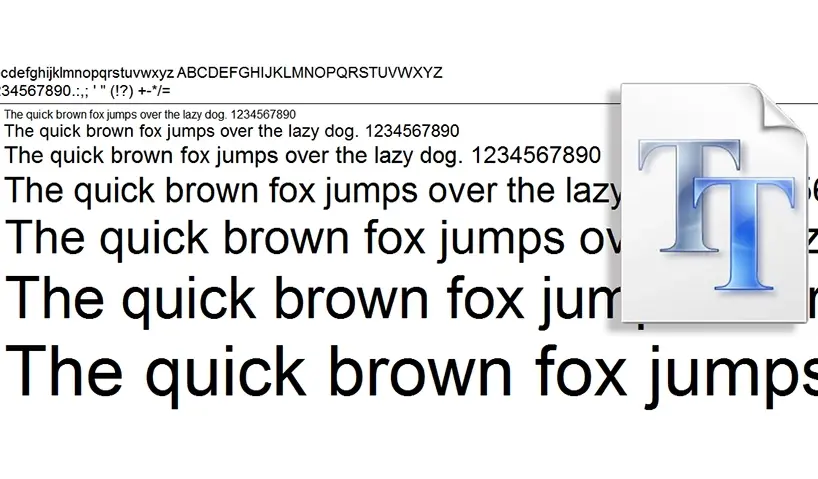
EasyOCR2 需要對待辨識的字型進行訓練。這可以透過樣本圖片或標準的 .ttf(TrueType 字型)檔案來完成。這使得辨識過程既靈活、快速又可靠。
文字旋轉
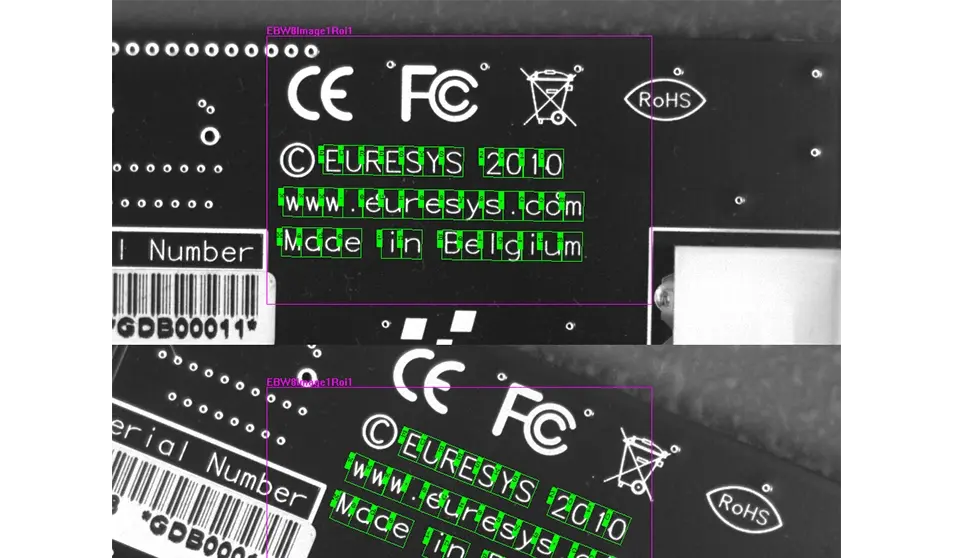
完全支援文字旋轉(360 度)。

預先訓練好的分類器
EasyOCR2 現已支援基於深度學習技術的光學字元辨識功能。它內建兩個預訓練的字元分類器,開箱即用,無需任何訓練! 可讀取使用標準工業字型或 OCR-A 字型印製的簡短文字,例如零件編號、序號或日期代碼。這兩款分類器皆支援大寫字母、數字及最常見的標點符號。無需 GPU 即可運作。OCR2Demo 範例程式以及 eVision Studio 均已更新,以支援這項新功能。

輔助學習
在透過範例圖像進行訓練時,會使用 eVision Studio 中提供的互動式工具來識別每個字元的範例,讓字型庫能學習這些字元,並儲存生成的字型檔案。
其他好處
Neo 授權系統
Neo 是一套全新的授權系統。它可靠且技術先進,現已可用於儲存 eVision 和 eGrabber 授權。Neo 讓您能選擇在何處啟用授權,無論是透過 Neo 硬體金鑰,還是 Neo 軟體容器皆可。您先購買授權,之後再決定啟用方式。
Neo 授權金鑰具備堅固的硬體結構,並可靈活地在不同電腦之間移轉。Neo 軟體容器則無需任何專用硬體,而是與其被啟用的電腦綁定。
Neo 隨附專屬的 Neo 授權管理員,提供兩種使用模式:直觀且易於操作的圖形使用者介面,以及可輕鬆自動化 Neo 授權流程的命令列介面。
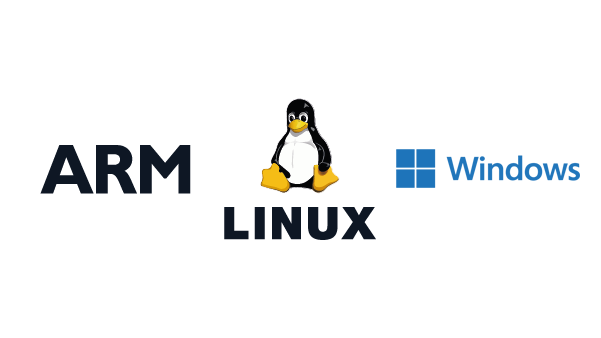
所有適用於 Windows 與 Linux 的 eVision 函式庫
- Microsoft Windows 11、10 適用於 x86-64 (64 位元) 處理器架構
- Microsoft Windows 11、10 IoT Enterprise 適用於 x86_64 系統
- 適用於 x86-64(64 位元)及 ARMv8-A(64 位元)處理器架構的 Linux,需具備 glibc 2.18 或更高版本
eVision Studio
eVision Studio 是 eVision 的評估、原型設計與開發工具。
其直觀的圖形化使用者介面,讓您能夠呼叫 eVision 的任何 2D 影像處理函式,並立即查看結果。其腳本功能可產生對應的程式碼,您可將該程式碼複製並貼上至您的應用程式中。
eVision Studio 完全免費(適用於 eVision 2.0 及以上版本),且無需任何授權。



Software
- Host PC Operating System
-
eVision is a set of 64-bit libraries that require an Intel compatible processor with the SSE4 instruction set or an ARMv8-A compatible processor.
eVision can be used on the following operating systems:
Microsoft Windows 11, 10 for x86-64 (64-bit) processor architecture
Microsoft Windows 11, 10 IoT Enterprise for x86-64 systems
Linux for x86-64 (64-bit) and ARMv8-A (64-bit) processor architectures with a glibc version greater or equal to 2.18
Remote connections
Remote connections are allowed using remote desktop, TeamViewer or any other similar software.
Virtual machines
Virtual machines are supported. Microsoft Hyper-V, Oracle VirtualBox and libvirt hypervisors have been successfully tested.
Only the Neo Licensing System is compatible with virtualization.
Minimum requirements:
2 GB RAM to run an eVision application
8 GB RAM to compile an eVision application
Between 100 MB and 2 GB free hard disk space for libraries, depending on selected options.
- APIs
-
Supported programming languages :
The eVision libraries and tools support C++, Python and the programming languages compatible with the .NET (C#, VB.NET)
C++ requirements: A compiler compatible with the C++ 11 standard is required to use eVision
Python requirements: Python 3.11 or later is required to use the Python bindings for eVision
.NET requirements: .NET framework 4.8 (or later) or the .NET platform 6.0 (or later) are supported
Supported Integrated Development Environments:
Microsoft Visual Studio 2017 (C++, C#, VB .NET, C++/CLI)
Microsoft Visual Studio 2019 (C++, C#, VB .NET, C++/CLI)
Microsoft Visual Studio 2022 (C++, C#, VB .NET, C++/CLI)
QtCreator 4.15 with Qt 5.12
Ordering Information
- Product status
-
Released
- Product code - Description
-
PC4179 Open EasyOCR2 for USB dongle
PC4329 Open eVision EasyOCR2
- Related products
-
PC6512 eVision/Open eVision USB Dongle (empty)
PC6514 Neo USB Dongle (empty)